State Capitol 34: Tennessee

the metastatic breast cancer journey banner

October 6, 2025. Nashville Tennessee State Capitol

Finally, a city where one might expect it to be a state capitol (haha). We visited the Tennessee State Capitol on this 551st day of our full-time Airstream journey.

The cornerstone was laid on July 4, 1845, but the building was not completed until 14 years later in 1859. The building is designed in the Greek revival architectural style, with a Cupola typical of that style. Therefore, it has no dome or rotunda as we see in the Roman style. 

William Strickland was the first architect on the Capitol; he also built the downtown Presbyterian church, which he designed in Egyptian style. You can see some of that influence on the inside of this building as well.
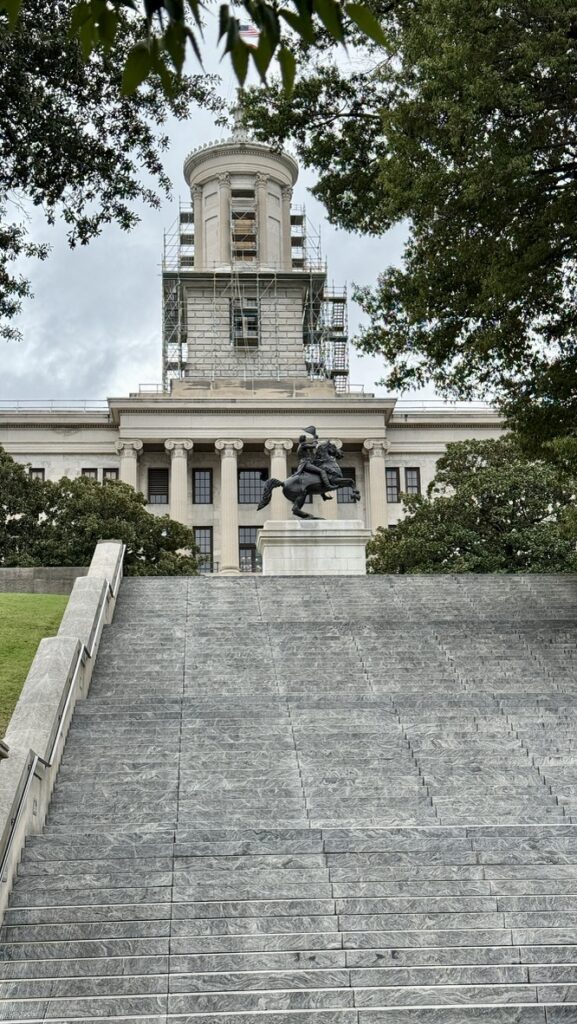
The tower (cupola) is patterned after the Choragic Monument of Lysicrates in Athens.

Our tour guide Hannah was a great teacher, entertainer, and seemed to really enjoy interacting with the crowd. She told us Nashville became known as the “Athens of the south” due to all the schools and learning surrounding the city.  Each of the blocks of limestone that makes up this wall weighs four to six tons. The limestone came from a local quarry. The walls are several feet thick, heavy load bearing, and the floor is made of marble. The Capitol has withstood several tornadoes throughout the years. 
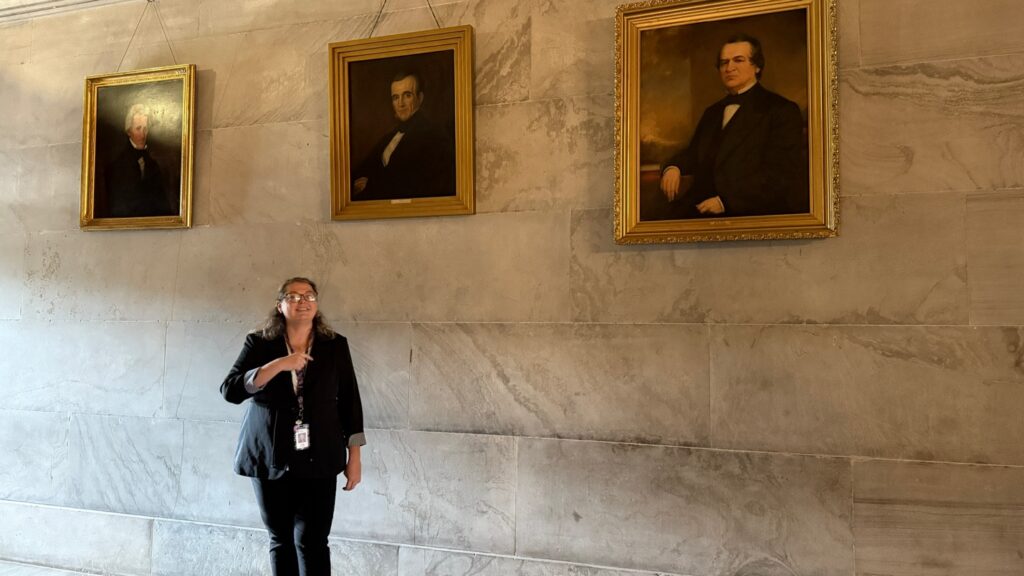
Fifteen enslaved men worked here. They were hired out for a year. All 15 reached emancipation later. The second group of workers consisted of prisoners. They were responsible for digging stone and moving it. A third group of Irish and German Immigrants were stonecutters and painters who painted frescos on the ceiling. The frescos got dirty from gas lamps and cigars, and they whitewashed over the frescos. Many years later, during restoration, they found the frescos under the whitewash and refurbished them. Sadly, I can’t find my pictures of the frescos.
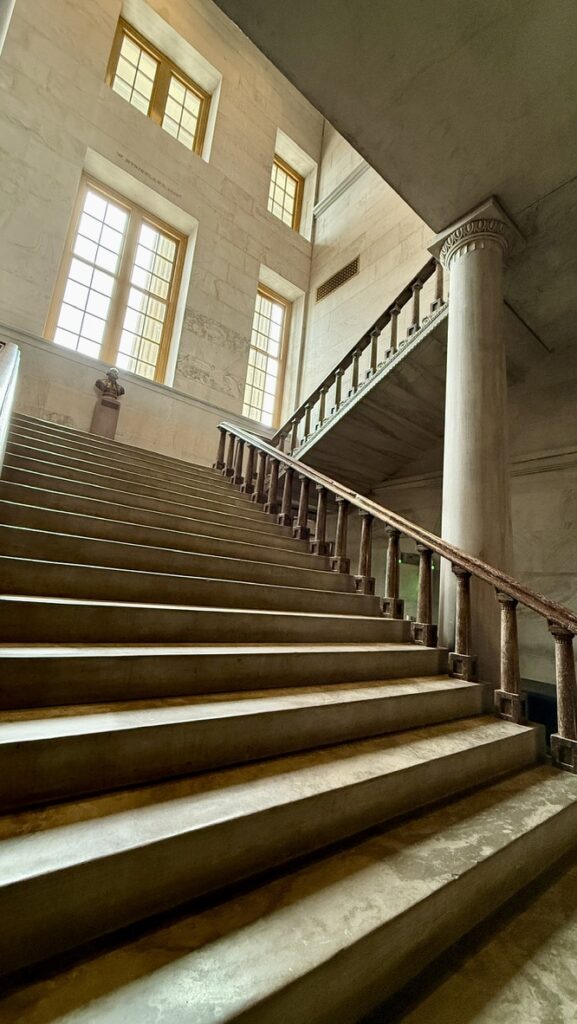
Unlike some Capitol buildings with rotundas, you won’t find an elaborate staircase here. Instead, the staircase highlights marble flooring and an intriguing tale. A chip in the handrail is said to have been caused by a bullet shot from above during a heated dispute over the 14th Amendment in 1866. 

Old Supreme Court

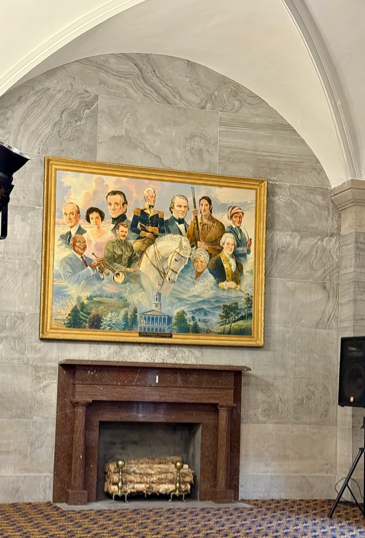
The Old Supreme Court Room, located on the first floor of the Tennessee State Capitol in Nashville, features a prominent 6′ x 8′ oil painting titled “The Pride of Tennessee.

The painting features eleven Tennesseeans notable for their unique contributions to the state and to the nation. Andrew Jackson’s horse is my favorite.
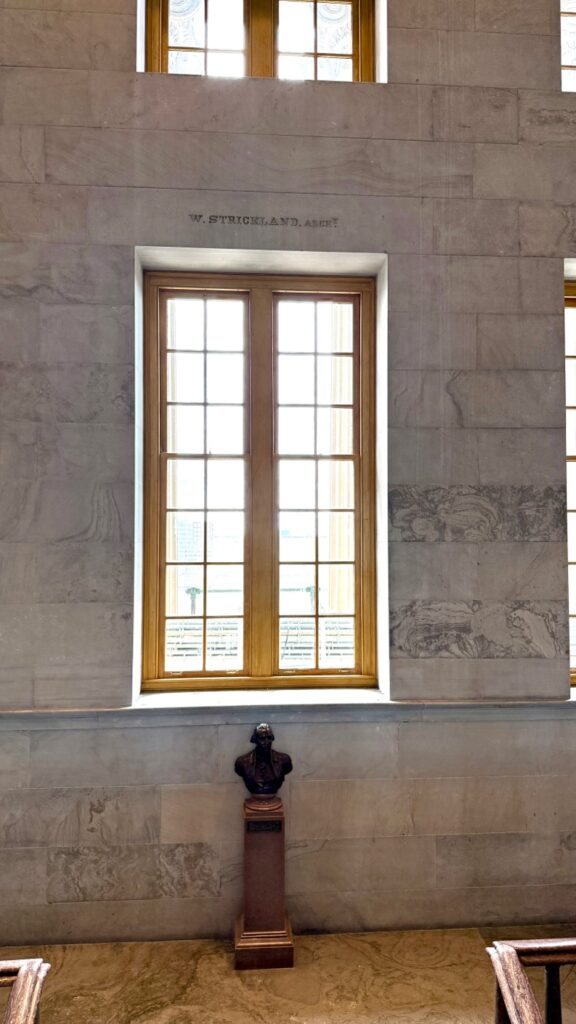
Fun fact…This is the only Capitol building to have someone buried in the wall. The architect (Strickland) didn’t want to leave, and because he felt this was his grandest achievement he made plans to be buried on the Northeast end. He died before the project was finished and was buried in the Capitol after his wishes. The second architect got the same honor, as he didn’t want to be outdone by his predecessor. He was buried in the wall on the southeast end.

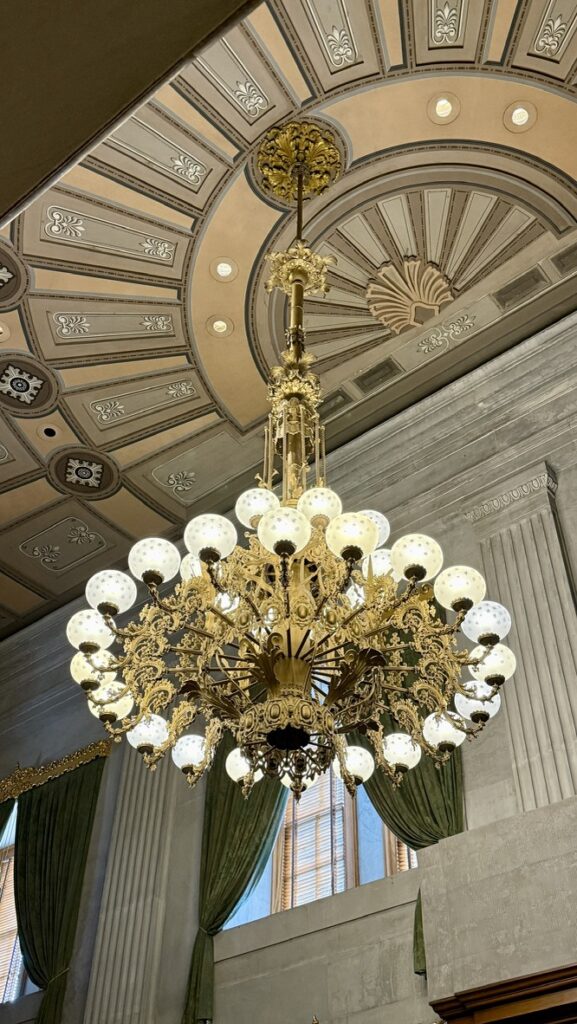
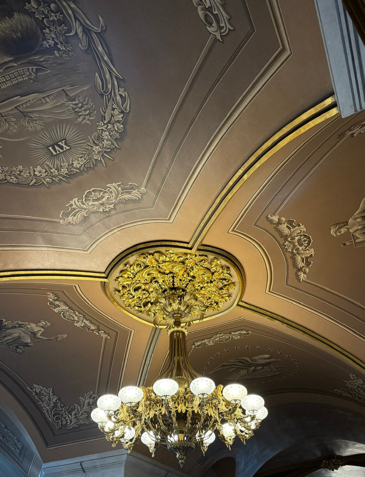
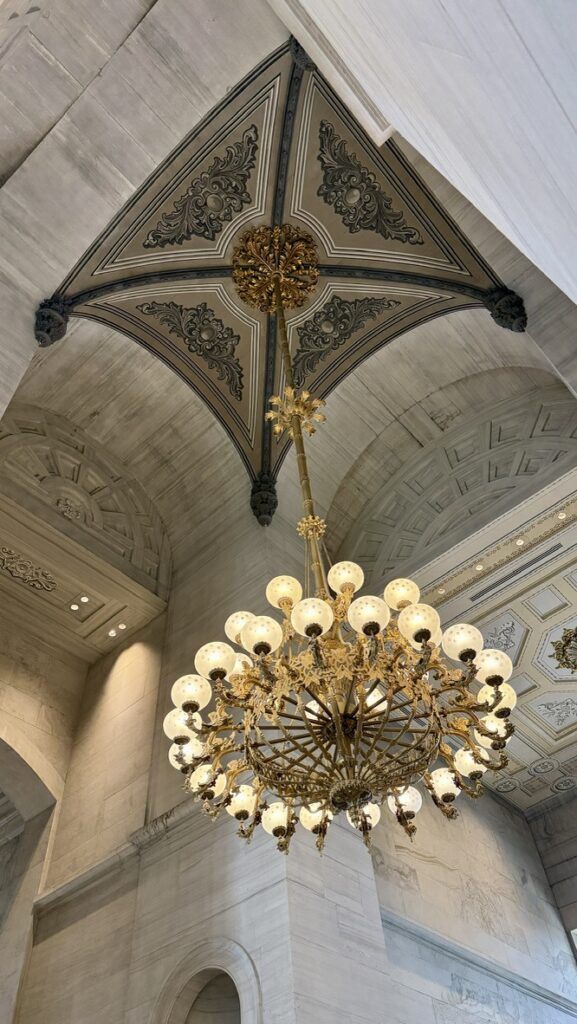
They had gasoliers versus chandeliers throughout the building until late 1880s when they installed electricity. The original chandeliers still hang in the hallways and chambers, except for one in the center of the House, which I’ll tell you about in a minute.
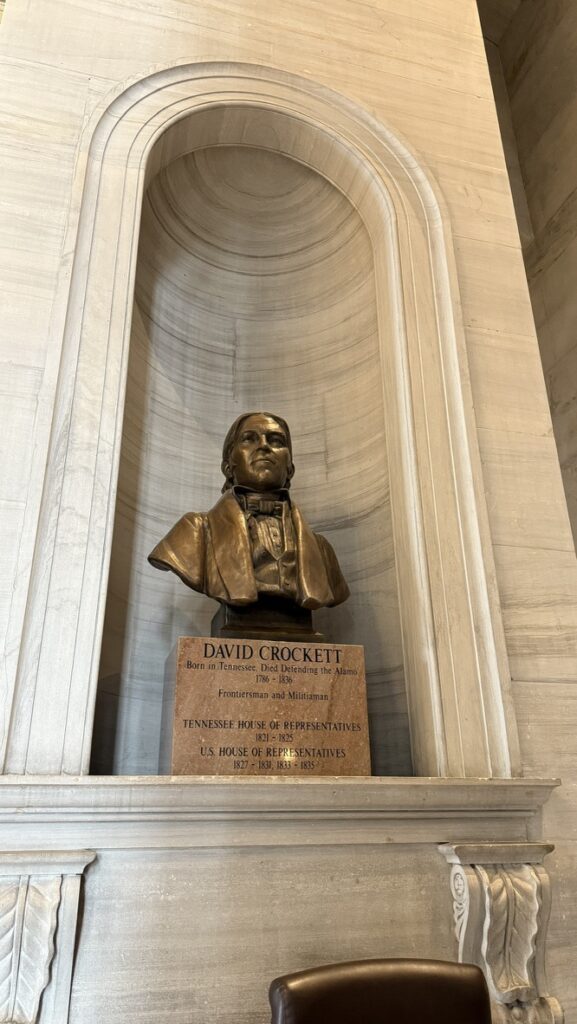
Davy Crockett was born in Tennessee. Of course, he’s also famous in Texas. Remember the Alamo.

House of Representatives

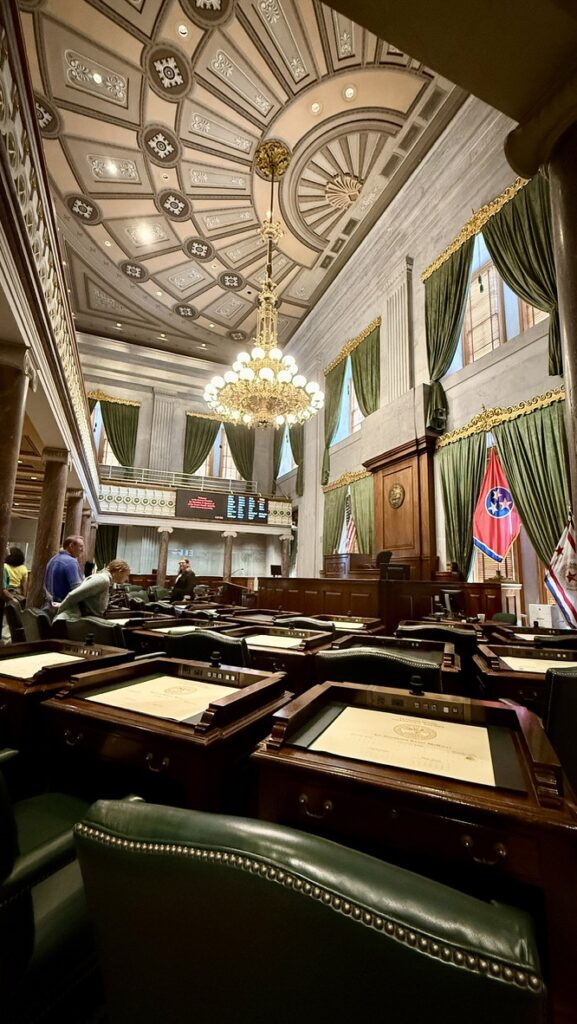
The House of Representatives was our tour guide’s favorite room because of the following story about the 19th Amendment (remember which one it is?), which she told so eloquently. Here’s a recap of the story…
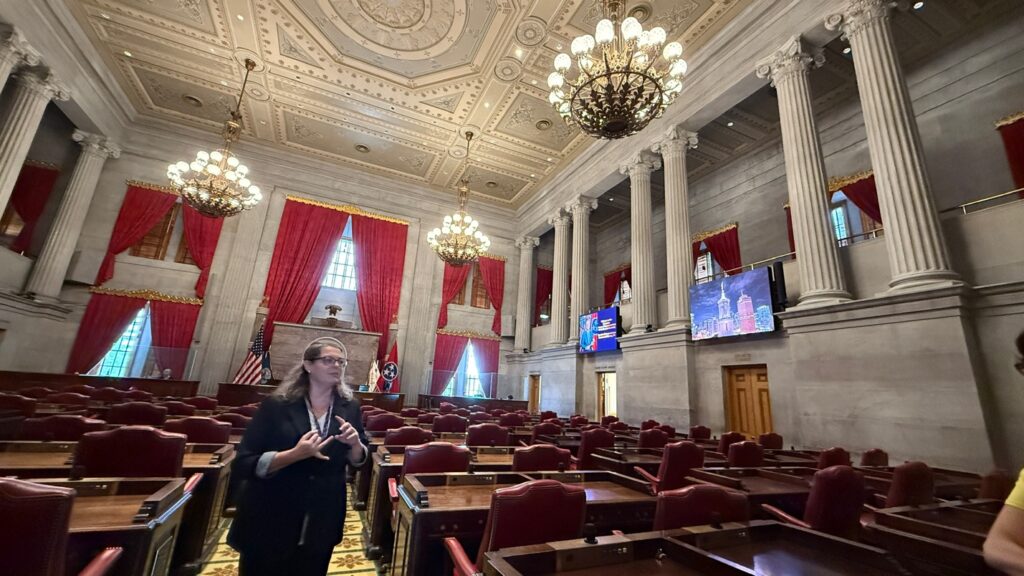
The House Chambers has 16 columns, because Tennessee was the 16th state.

Multiple unrelated historical events in Tennessee have been called the “War of the Roses,” borrowing the name from the 15th-century English dynastic conflict. The most notable instances in Tennessee occurred during the 1886 gubernatorial race and the state’s ratification of the 19th Amendment in 1920. 

The 1920 Women’s Suffrage “War of the Roses” was the dramatic final battle over the ratification of the 19th Amendment, which gave women the right to vote. 

  • The conflict took place in Nashville in August 1920, with supporters of the amendment wearing yellow roses and opponents wearing red ones.
  • With 35 states having already ratified the amendment, Tennessee’s vote was the last one needed for it to become law nationwide.
  • The vote in the state House of Representatives was tied 48–48. The stalemate was eventually broken by 24-year-old Harry T. Burn, who had been wearing a red rose.
  • After receiving a letter from his mother urging him to “be a good boy” and “you know what to do,” (e.g. vote for the amendment), Burn switched his vote to “aye,” making Tennessee the “Perfect 36” and securing the right to vote for women across the country. After the vote, he went up into the cupola and hid from the press for four days. He was questioned and challenged, as they thought he was paid off or threatened, but his response was that he did what every man should do, “listen to his mother.”

Hannah also shared an interesting story about the original chandelier in the House, which was 14 feet wide and hung in the center (see ceiling picture below). When the windows were open, the chandelier would swing from side to side. This scared people who sat beneath it, so in the late 1800s they voted to take it down—after which they learned it was architecturally sound and would not have fallen—but it was too late as the vote was final. Getting it out the door was a challenge, and they ended up breaking it into pieces with axes. So sad, and would have been a site to see, but the historic society did recover some of the beautiful carvings that were a part of that chandelier and it’s in the Tennessee museum. 

Senate Chambers

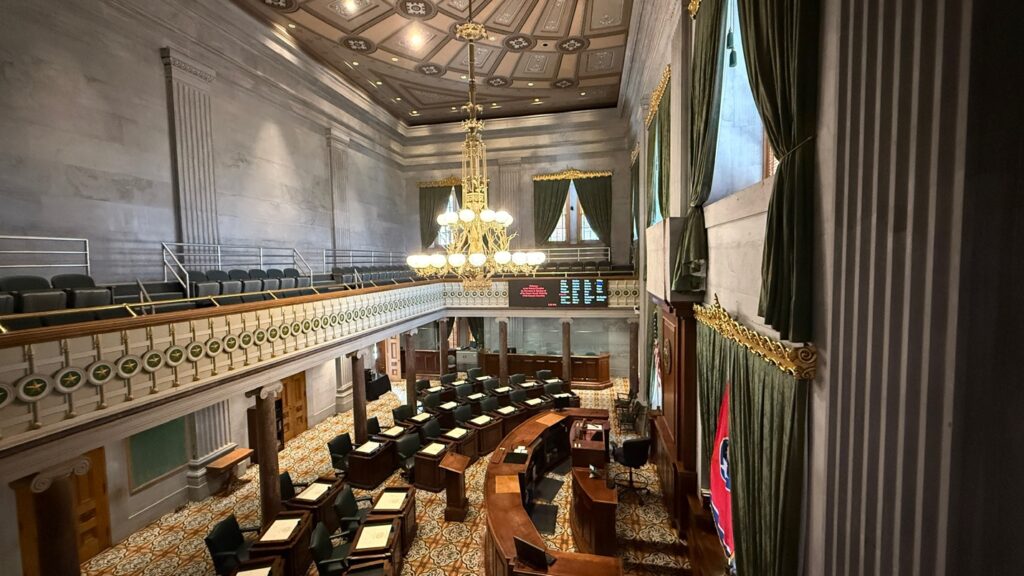
The Senate Chambers is much smaller than the House, as is typical in State Capitols. The columns are made of Tennessee limestone (a/k/a chocolate marble). You can find corn, cotton, and tobacco (three main crops) carvings in the original chandelier, which is still hanging in the chamber. 
Legislative Lounge

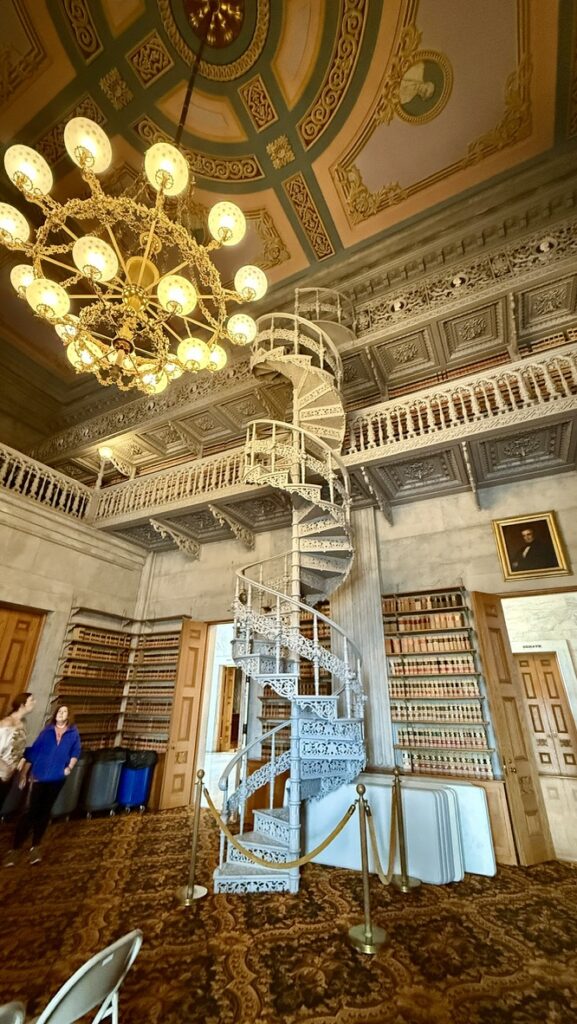
This intriguing room used to be the state library. About 250 tons of books were moved to another building across the street. This was the last room to be finished and by then Strickland was dead, so the new architect designed it in the Gothic revival style, very different from the rest of the building. It looks like something from Harry Potter! The Chandelier is original. Its design contains elements of the purple passionflower, which is the state wildflower and native to Tennessee.
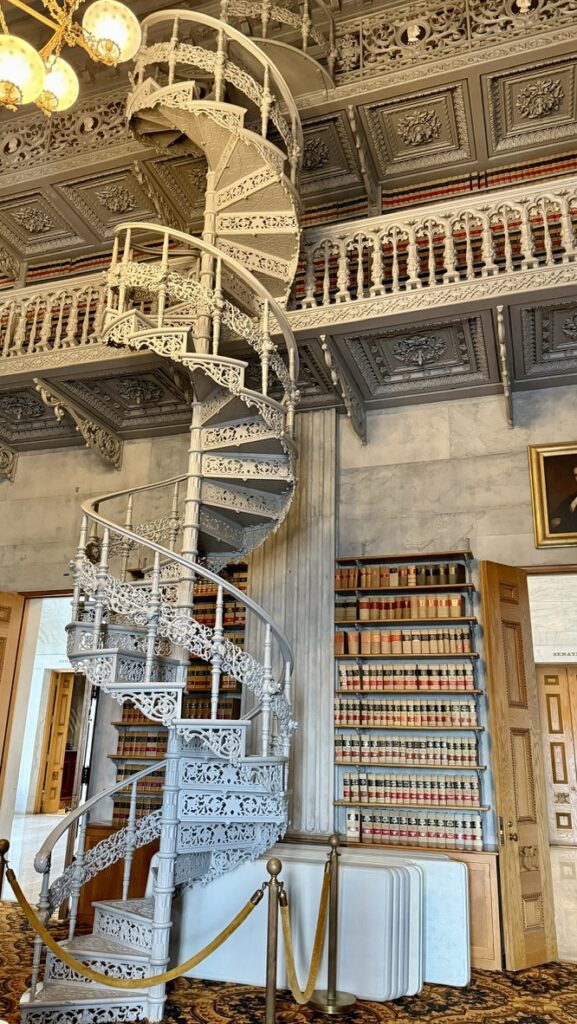
Sequoyah Bust 

Sequoyah was a Cherokee, which of course was interesting to me since my great-grandmother was a Cherokee. I love the story about him developing the Cherokee syllabary. Here’s Hannah telling us the story in a 3-minute video, if you’d like to hear more of the history. Or you can read the plaque below for brevity.
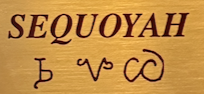
The plaque says, SEQUOYAH, Griffin Chiles, Sculptor, 1994, Bronze

Sequoyah, or George Gist, born in the late 1700s near the Cherokee town of Tuskegee in present-day Monroe County, invented the first form of written communication for his people. Comprised of 85 characters, each representing a syllable of the spoken language, Sequoyah’s syllabary was adopted in 1821 and widely used by 1823 among the people of the Cherokee Nation. Sequoyah died in August 1843 near San Fernando, Tamaulipas, Mexico, while seeking a band of Cherokee he thought had migrated to the Southwest.

Capitol Grounds

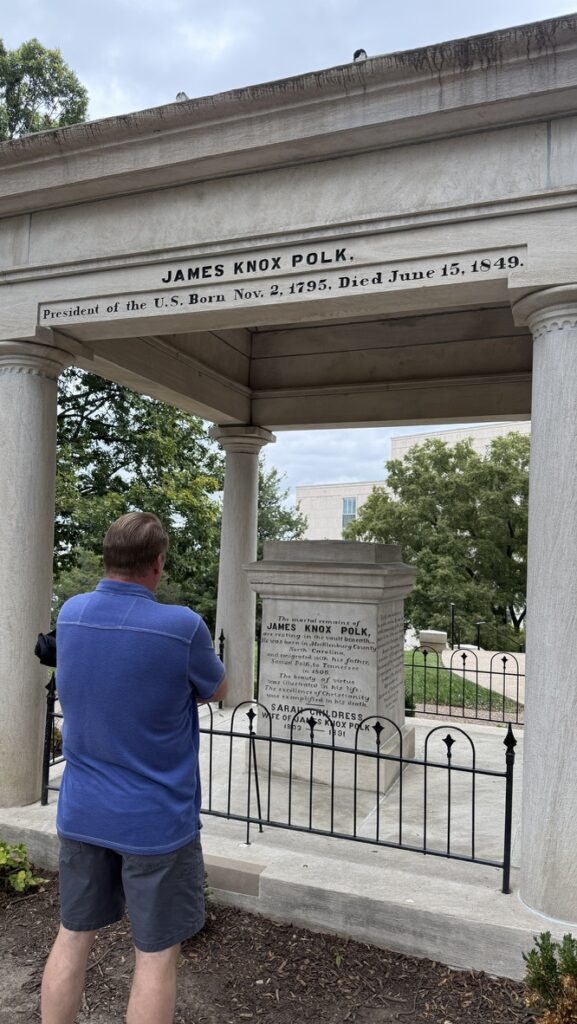
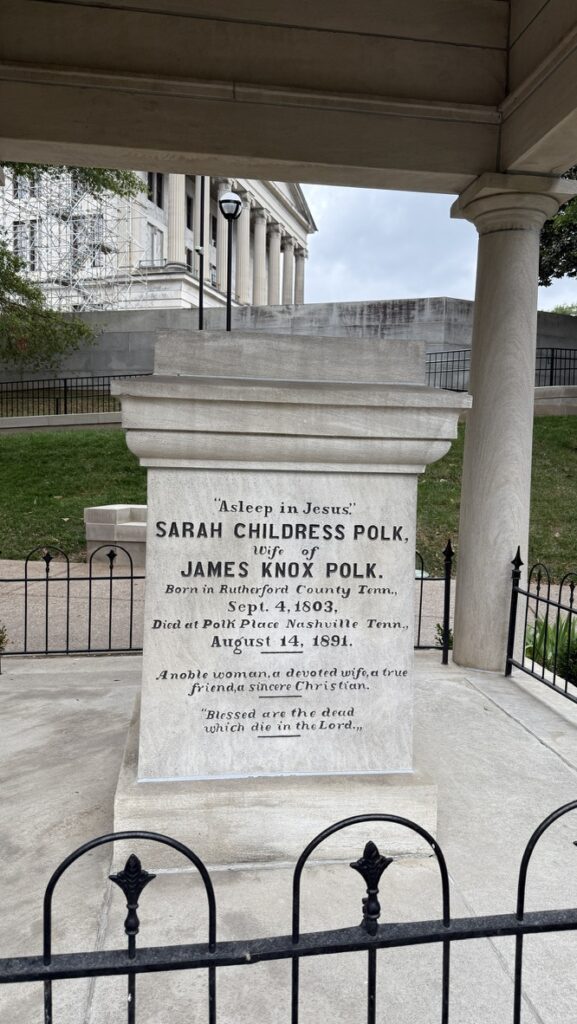
A walk around outside is pleasant on a day like today. There are several monuments, markers, and statues to see outside as well. An equestrian statue of Andrew Jackson, statues of Andrew Johnson and Sergeant York, and the tomb of President James K. Polk and his wife are just a few. Polk and his wife Sarah are buried on the property, underneath a beautiful monument. His body had to be moved several times after his death before its final resting place here. He moved to Nashville after he left office where he planned to live out his life. Sadly, they were battling a cholera outbreak in Tennessee, which he died of just three months later.

I love the inscriptions on Sarah’s grave, “Asleep in Jesus” and “Blessed are the dead which die in the Lord.” It’s so comforting to know when your loved ones die they are going into the arms of Jesus.
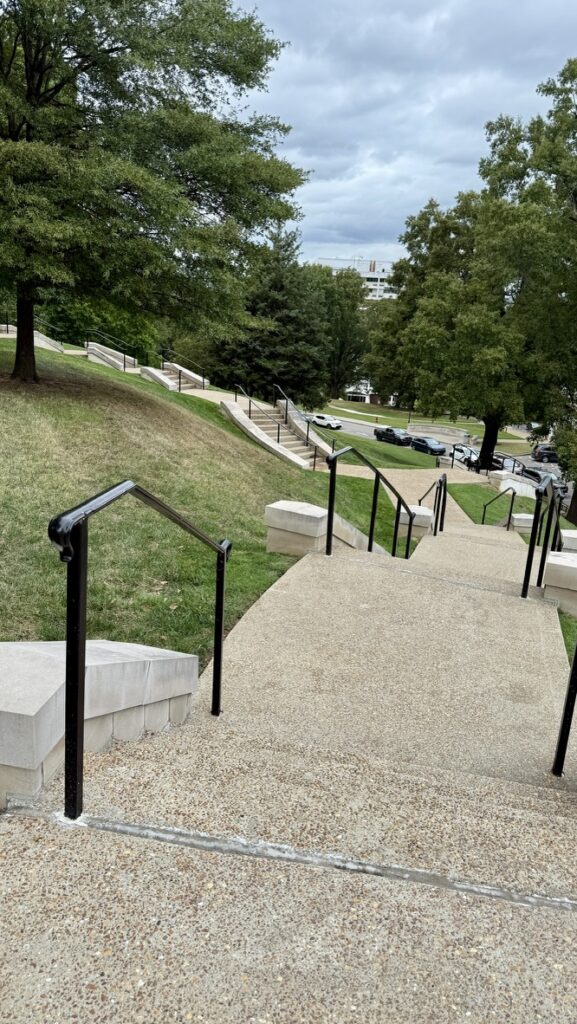
Heading back to the truck. There is a way to get to the Capitol without climbing all these stairs, as they have dug a tunnel for ADA access with elevators, but we didn’t know it sits on the highest hill in downtown Nashville when we started walking there from our parking spot. 🥴 The Tennessee State Capitol is built on Cedar Knob, a prominent elevation overlooking the Cumberland River. The site was selected in the 1840s to ensure a commanding view of the city. The first Catholic Church was originally built here and had to be demolished to make room for the Capitol (there’s a marker on the Capitol grounds where it stood). There is no private parking for the Tennessee State Capitol. During the week, visitors must park in paid lots or at street parking meters. 


I hope you enjoyed this little tour of Tennessee’s State Capitol in Nashville. It would be great if you would leave a comment and let me know if there is something else (of less) you would like to know, as we have several more capitols to see before we complete our bucket list. Thanks for following my blog!


À la prochaine…hasta la próxima vez…until next time!


“I am the Lord, who heals you.” ~Exodus 15:26

My relationship with Jesus Christ motivates me to keep blogging. Though I have metastatic breast cancer*, my faith helps me survive, thrive, and feel alive while staying active. Without Him, I couldn’t achieve anything. With His help, well, my accomplishments speak for themselves on my blog. If you’re interested in learning about building a relationship with Jesus, feel free to comment below. I will never sell or share your email.

*Metastatic breast cancer is Stage IV cancer. Metastatic, or metastasis, means the cancer has spread beyond the original location (breast and immediate lymph nodes). In 2016 the doctors found significant metastasis to my bones, skull, liver, and lungs; then in 2018 to the brain. However, with chemo, immunotherapy, gamma knife, and of course my faith in the Lord, it is all undetectable at this point. I continue in treatment every three weeks via infusions, and receive multiple scans on a regular basis. If you or someone you know has metastatic breast cancer, I recommend these organizations for additional support: 
Metavivor and Unite for Her (also for ovarian cancer)
State Capitol 33: West Virginia

the metastatic breast cancer journey banner

September 25, 2025. Charleston West Virginia

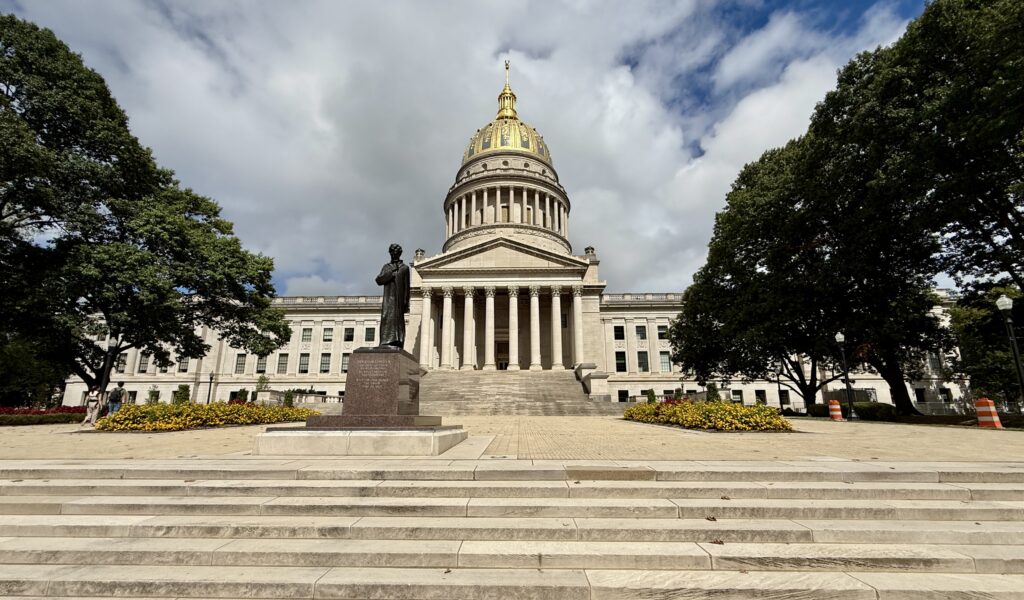
Fun fact: Abraham Lincoln played a big part in West Virginia becoming a state, so you’ll spot his statue and portraits all over the Capitol. See the picture above, where his status is on the steps. He’s way more visible than George Washington! The Capitol’s gold leaf dome gleams in the sun, and its architecture is pure Roman flair, all thanks to just one architect. 

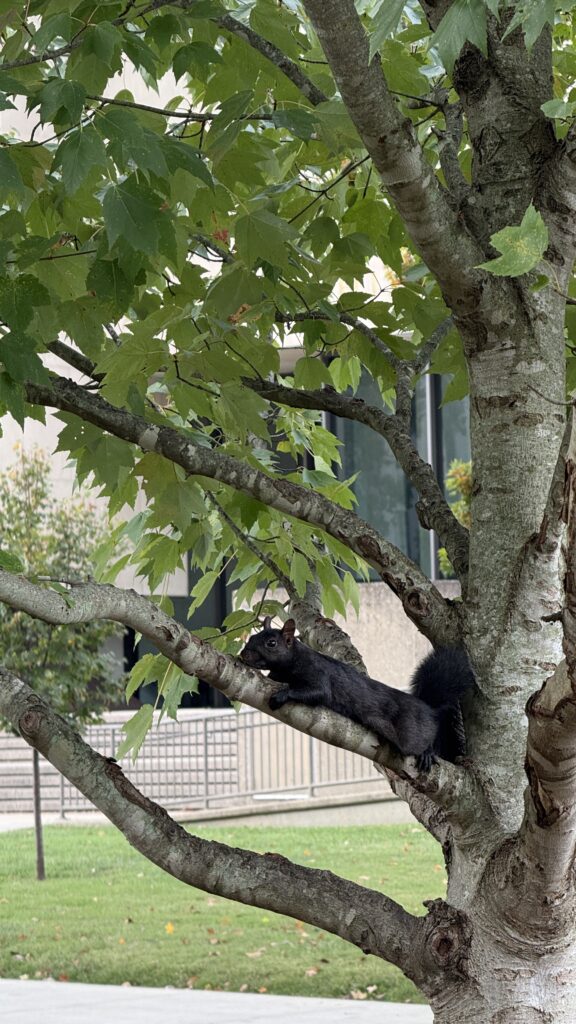
Today was an adventure packed with surprises! We zipped through one of the fastest Capitol tours ever at the West Virginia State Capitol, spotted an incredibly rare melanistic (black) eastern gray squirrel, explored the free State Museum, and later trekked around New River Gorge National Park—my exercise rings are officially conquered. In this blog are a few highlights that made the day unforgettable. 


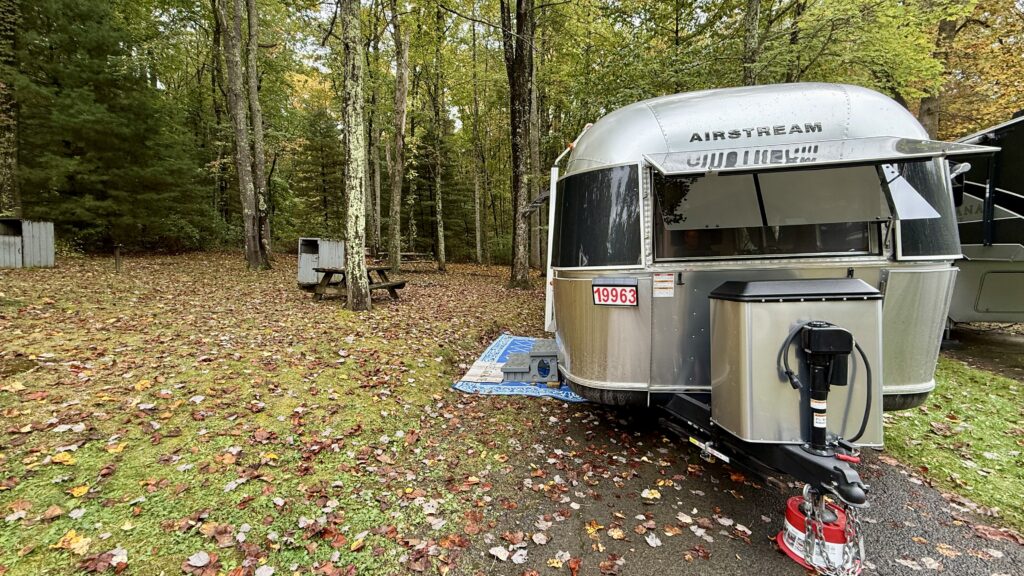
But first, let me show you where we stayed. We parked our rig in Beckley, WV, at the Coal Miner’s Exhibition. This was the first time our truck and trailer slid backwards while trying to get into a campground. It was a very steep hill, covered in wet leaves. Not a good combination! But we finally got into our very tight spot after using 4WD, and set out to enjoy the surrounding area. We were sweating bullets for that one.


House and Senate Chambers

Senate
House

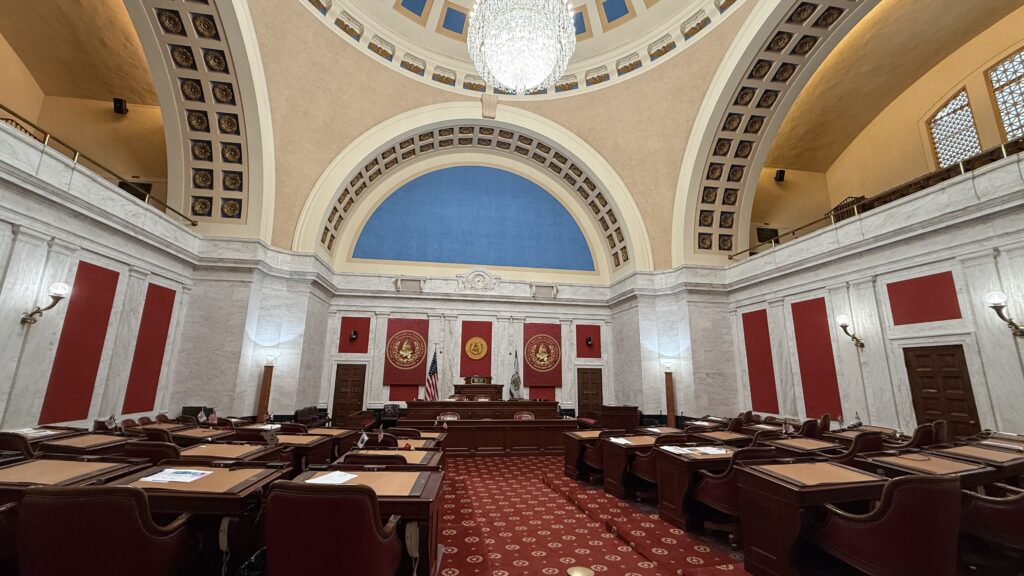
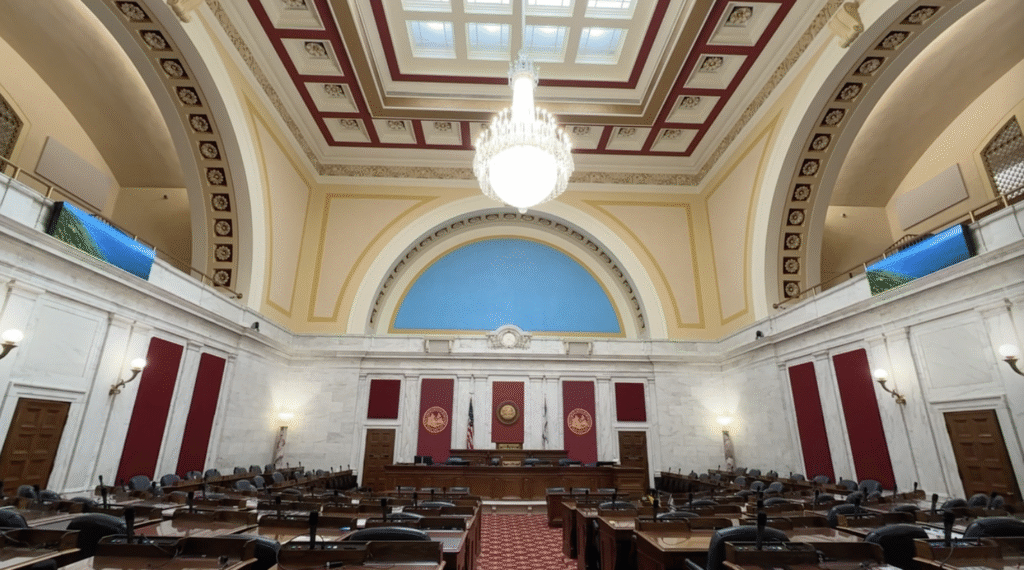
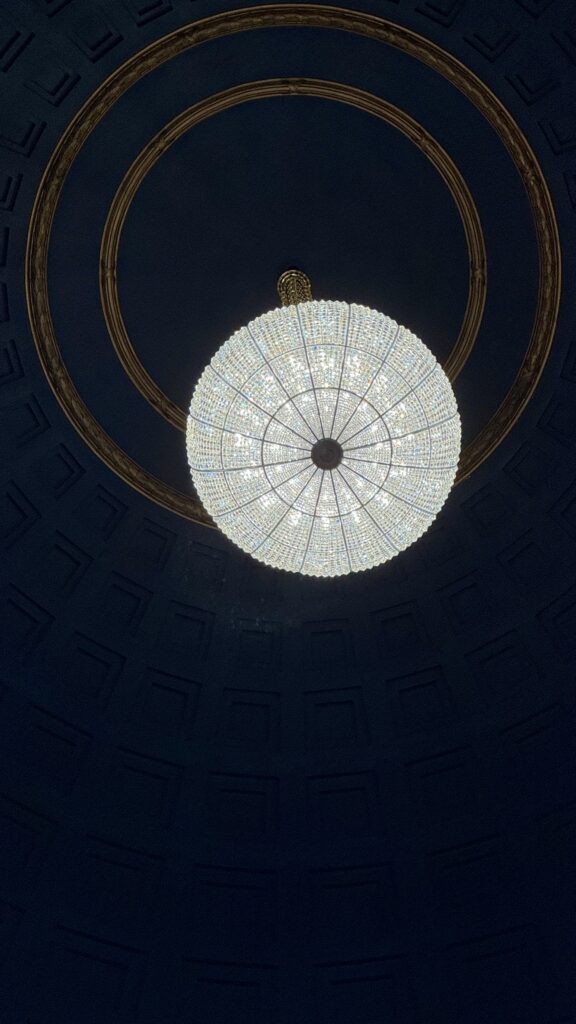
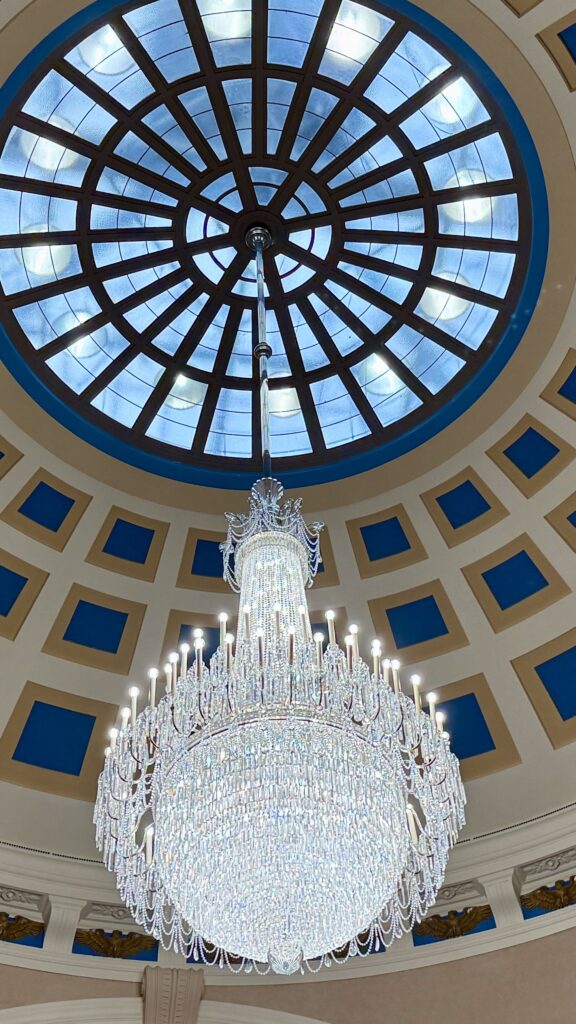
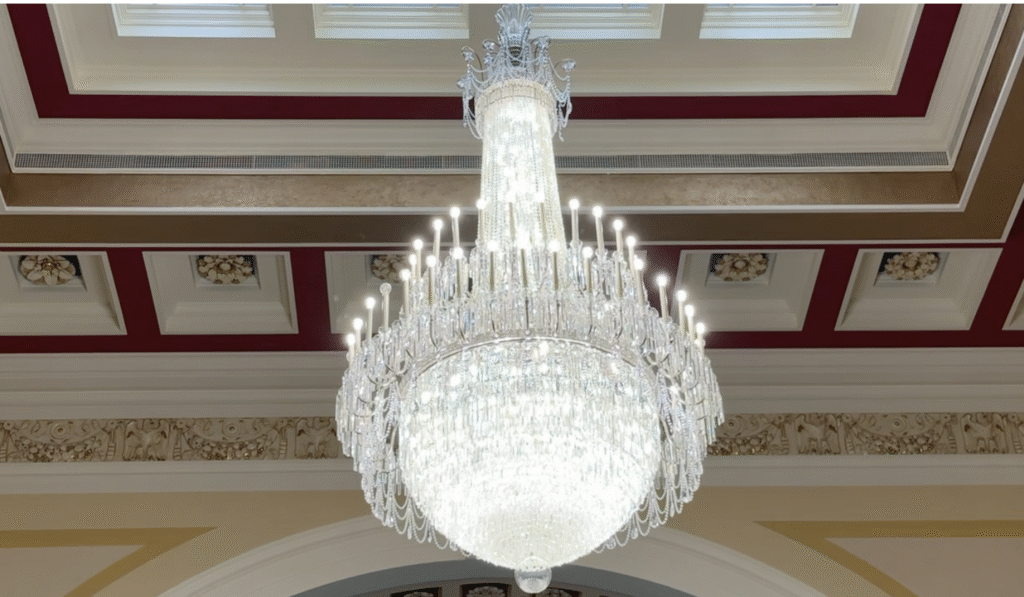
If you ask me, the real showstoppers at the Capitol are the chandeliers—each chamber sparkles with them! 

Speaking of rare sights, meet the melanistic eastern gray squirrel—splooting right in front of us! Only about 1% of these squirrels are melanistic, so seeing one up close at the Capitol was a treat. Apparently, they’re local celebrities here. 

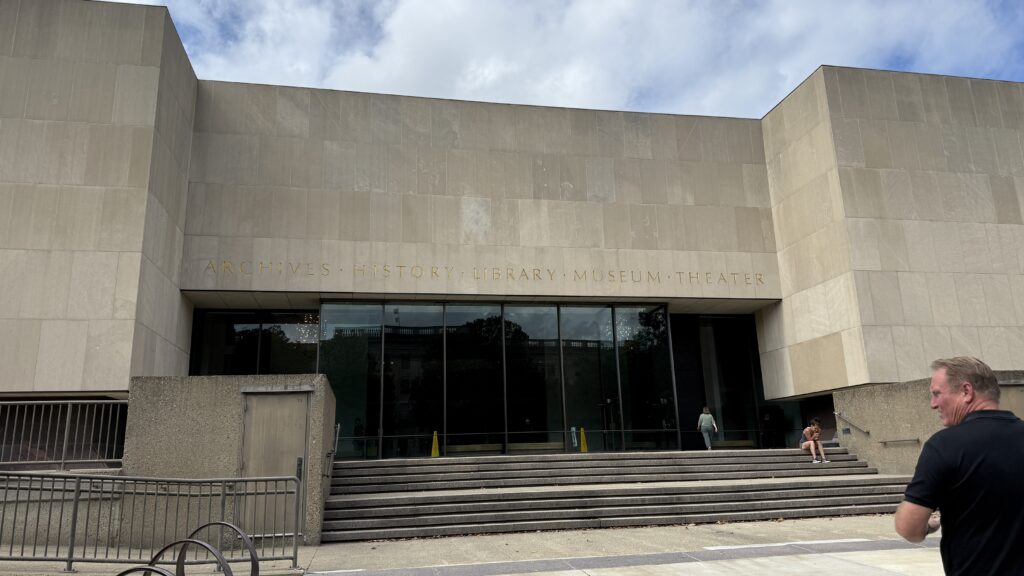
The State Museum? Absolute gem! It’s free, bursting with stories, interactive exhibits, and a sprawling maze of history downstairs.

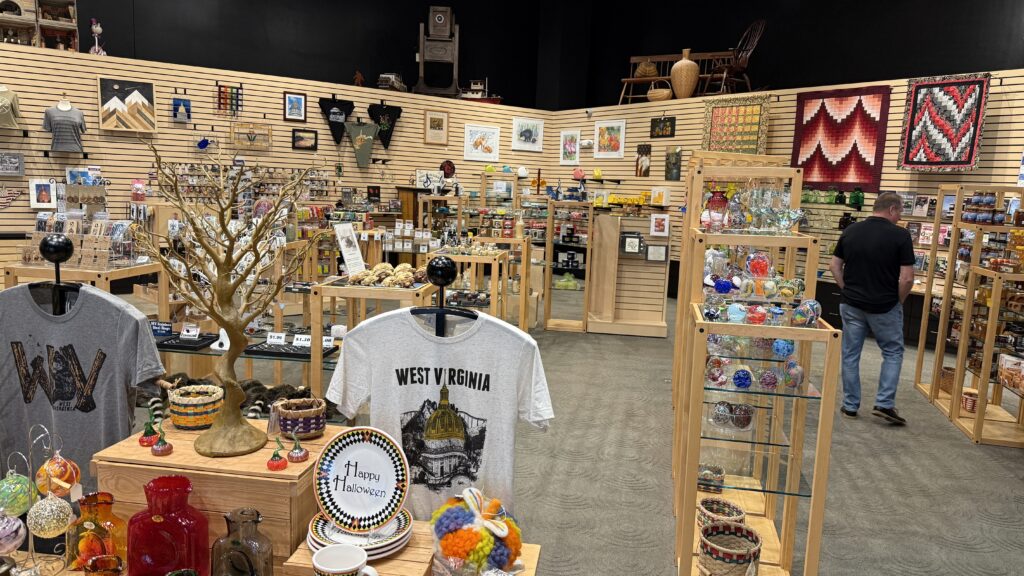
And don’t skip the gift shop—it’s one of the best we’ve seen. 

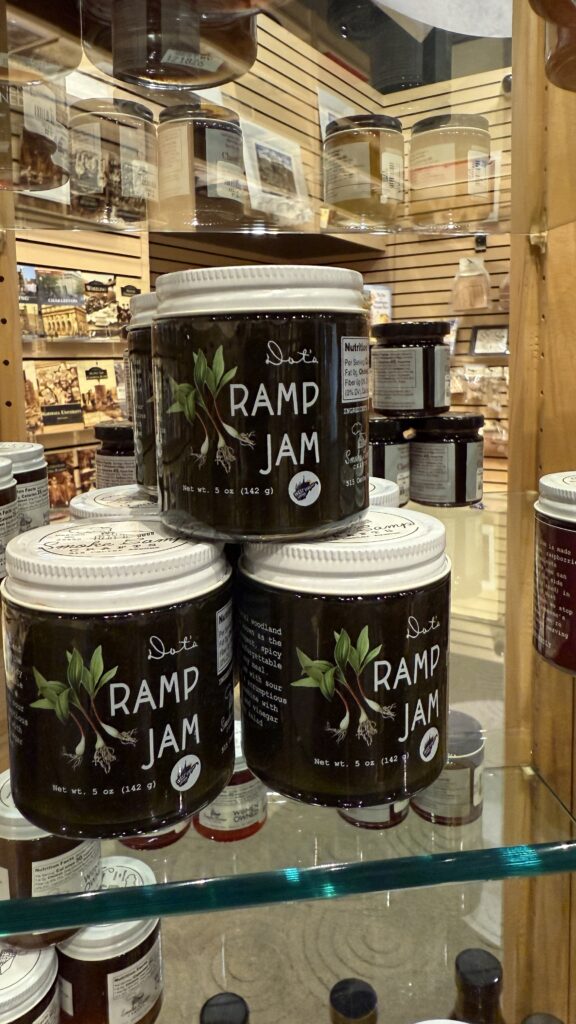
We stumbled on ramp jam for the second time—have you ever heard of ramps? They’re wild leeks famous in Appalachia, full of savory punch. Ramp jam is the star of the show: spread it on toast, dip it with cream cheese and crackers, use it as chutney for meats, or glaze veggies and grilled treats. It’ll wake up your taste buds! 

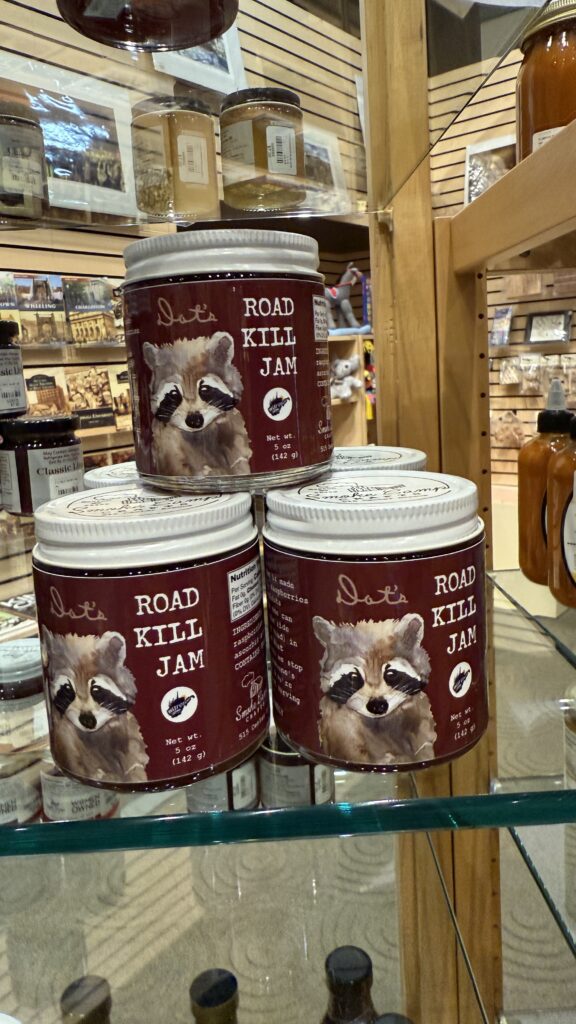
This tickled me! 😂😂

But only after I gagged a bit. 🤪🥴

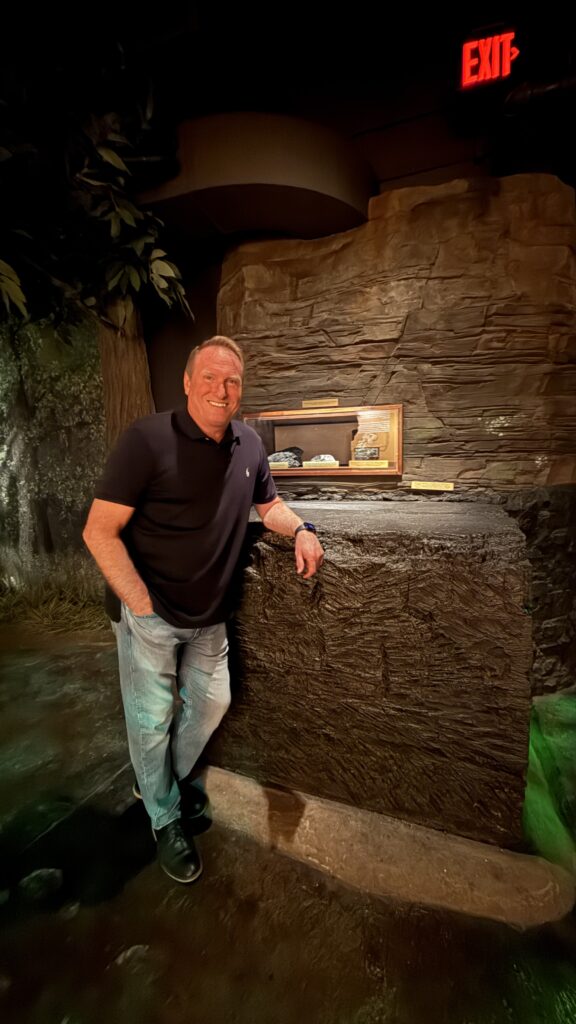
And, of course, there was a giant lump of coal—Tim found it in the WV Museum. You can’t visit West Virginia and miss out on the coal! 


À la prochaine…hasta la próxima vez…until next time!


“I am the Lord, who heals you.” ~Exodus 15:26

My relationship with Jesus Christ motivates me to keep blogging. Though I have metastatic breast cancer*, my faith helps me survive, thrive, and feel alive while staying active. Without Him, I couldn’t achieve anything. With His help, well, my accomplishments speak for themselves on my blog. If you’re interested in learning about building a relationship with Jesus, feel free to comment below. I will never sell or share your email.

*Metastatic breast cancer is Stage IV cancer. Metastatic, or metastasis, means the cancer has spread beyond the original location (breast and immediate lymph nodes). In 2016 the doctors found significant metastasis to my bones, skull, liver, and lungs; then in 2018 to the brain. However, with chemo, immunotherapy, gamma knife, and of course my faith in the Lord, it is all undetectable at this point. I continue in treatment every three weeks via infusions, and receive multiple scans on a regular basis. If you or someone you know has metastatic breast cancer, I recommend these organizations for additional support: 
Metavivor and Unite for Her (also for ovarian cancer)
Adventure, Awe, and Abundant Life: Our Day at Cuyahoga Valley National Park

the metastatic breast cancer journey banner

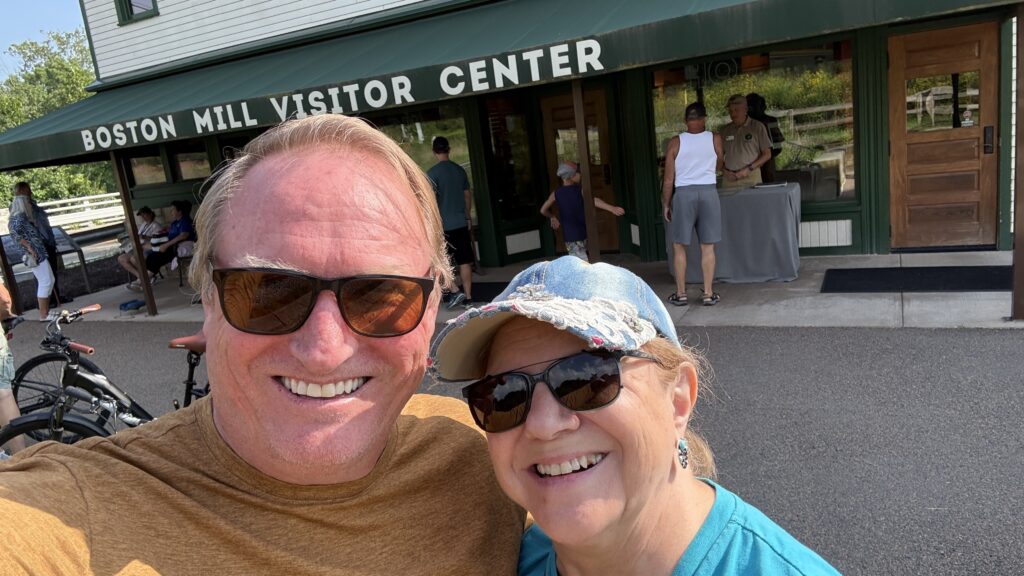
August 14-15, 2025. Finding Joy on the Trails, in the Shadows, and in Christ

What if I told you that a diagnosis, even one as sobering as metastatic (stage 4) breast cancer, doesn’t have to mean the end of adventure? That it might, in fact, be the beginning of a new kind of abundant living? Different, yes, but abundant. I want to share one story of joy, love, and a little mystery from a recent trip with my husband to Cuyahoga Valley National Park—a place where wild nature and the whisper of hope wind along every trail.

The Ledges Trail: Where Wonder Meets Stone and Sky

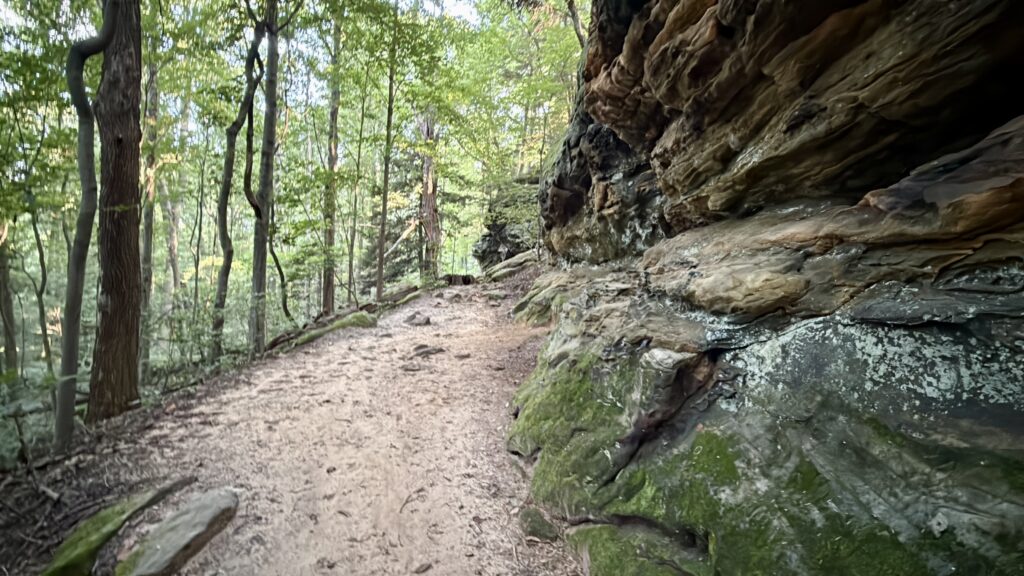
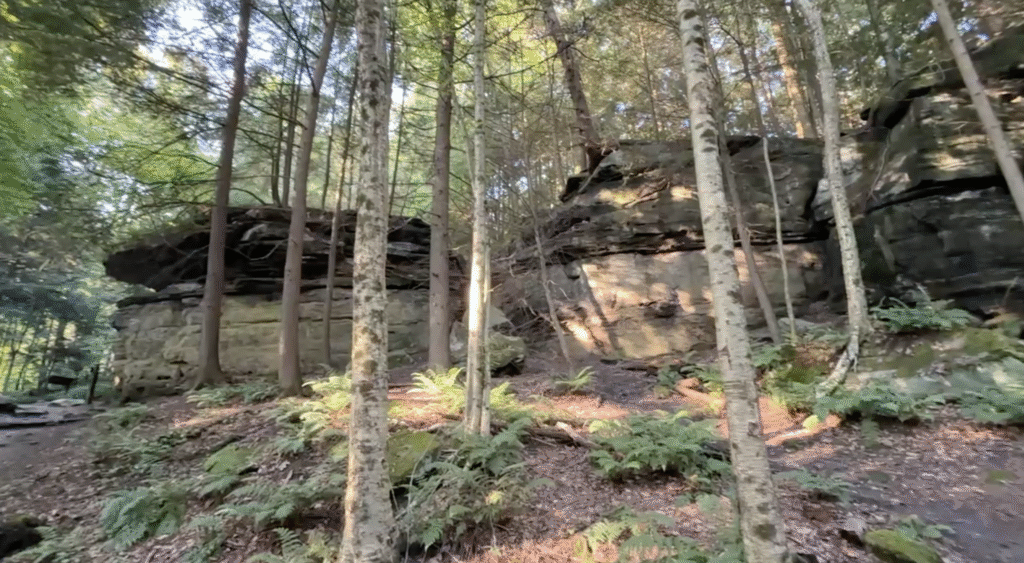
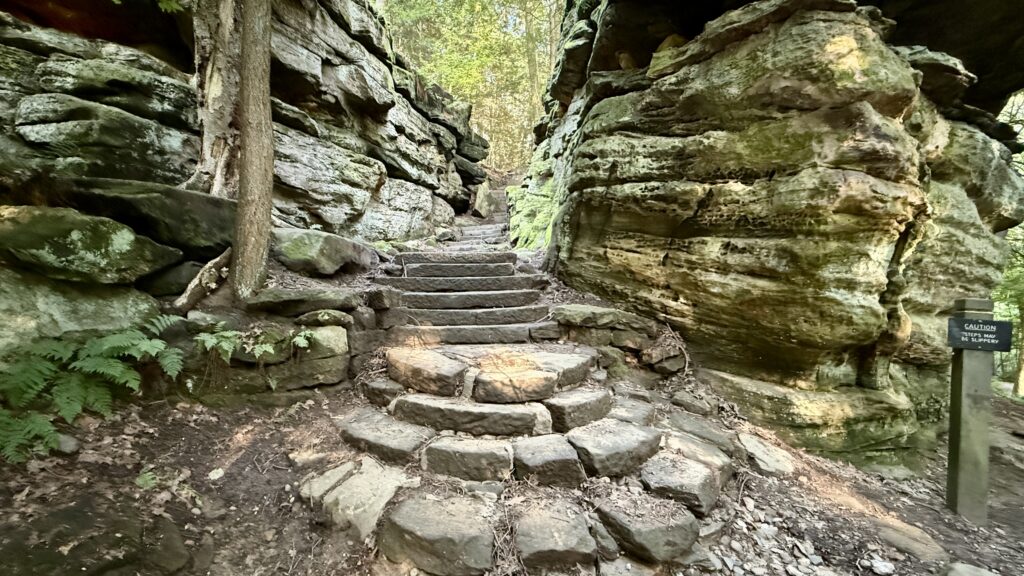
We started our day with the Ledges Trail, a 2-mile loop famed for its dramatic rock formations, sun-dappled moss, and secret caves. My husband and I laced up our tennis shoes and set off with hearts full of anticipation.

Tip: Come prepared! I would have pulled out my hiking poles and worn my hiking boots if I had realized how many rocks we would scramble over. It’s not a difficult trail, but can be a little tricky for someone with balance and joint issues.

Nevertheless, while I didn’t expect the rocky terrain on the trail, it became a chance to adapt and push my limits. Instead of being discouraged, I embraced the challenge, and we managed to boost our daily steps while discovering new strength in ourselves.

Stepping into the quiet cathedral of pines, it struck me: this is what it means to live—really live—even with cancer as a quiet companion. More importantly, I get to live this life with the best caregiver as my hiking buddy, who stretches out his hand to catch me if I stumble.

The trail meandered through forests that felt ancient and wise, the scent of earth and leaves mingling with laughter and the promise of adventure. We ducked under boughs, hopped across roots, and marveled at the towering cliffs, their sandstone faces streaked with green and gold.

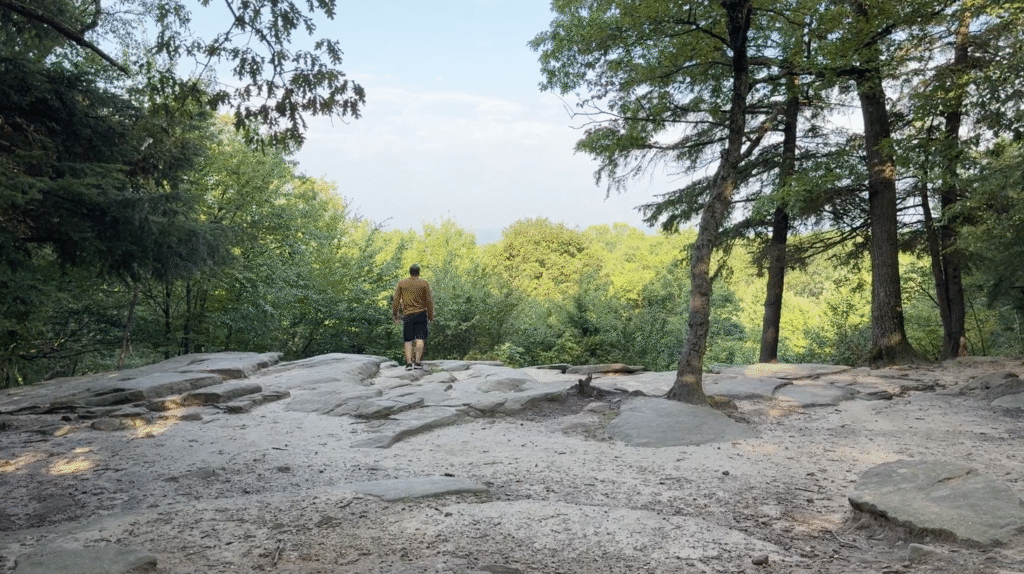
At the overlook, we caught our breath, gazing out over a patchwork of treetops. The world felt big and beautiful, and at that moment, thoughts of cancer or medical appointments slipped away.

Holding hands with the one I love, I was reminded: abundant life isn’t found in the absence of trials, but in the presence of Jesus Christ, guiding and sustaining each day. In every moment, we have the power to create memories, to savor the light filtering through the trees, and to claim joy on this side of life. Let us walk on, hearts open, knowing that each step is a testament to courage, faith, and the unwavering will to live abundantly.

Every step forward is an act of hope, no matter where you are in your cancer journey. With each breath of fresh air and every stride—even when challenged by neuropathy and fatigue—the Holy Spirit prompts, the heart grows stronger, and the soul more resilient. Life is still full of wonder worth fighting for.

Here’s a little compilation of our hike on the Ledges Trail. Let us know what you think in the comments!

Down the Eerie Canal Towpath

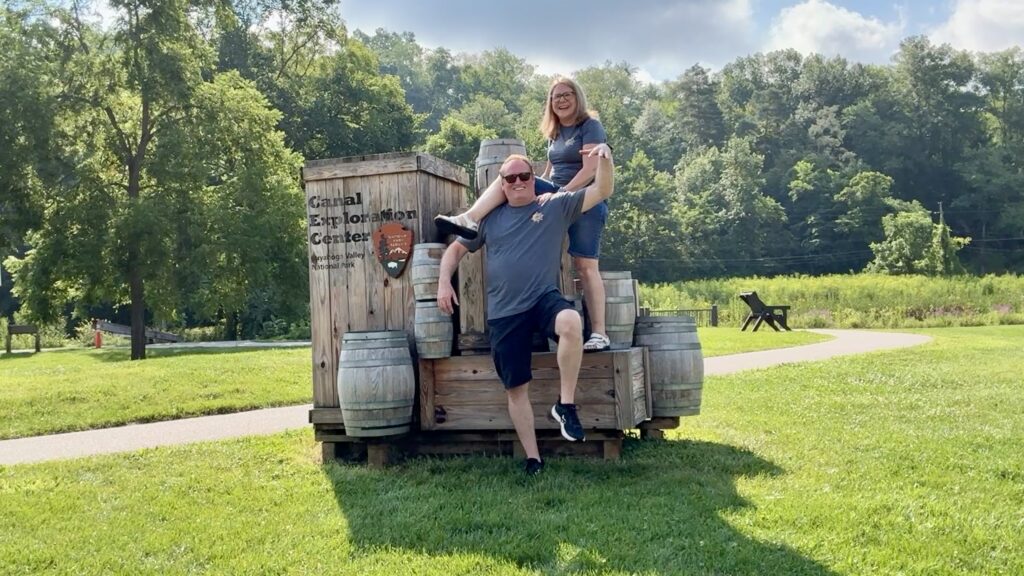
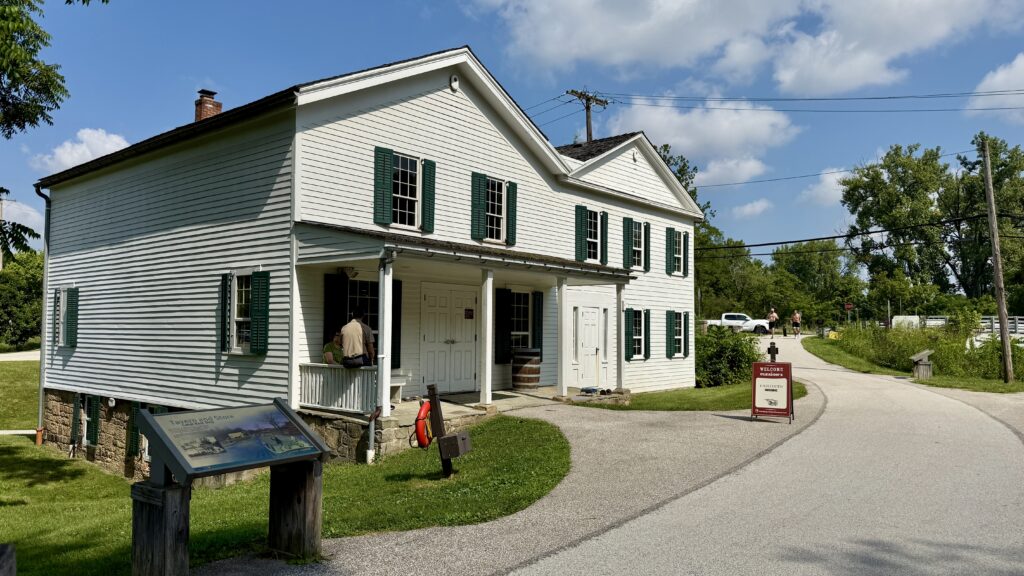
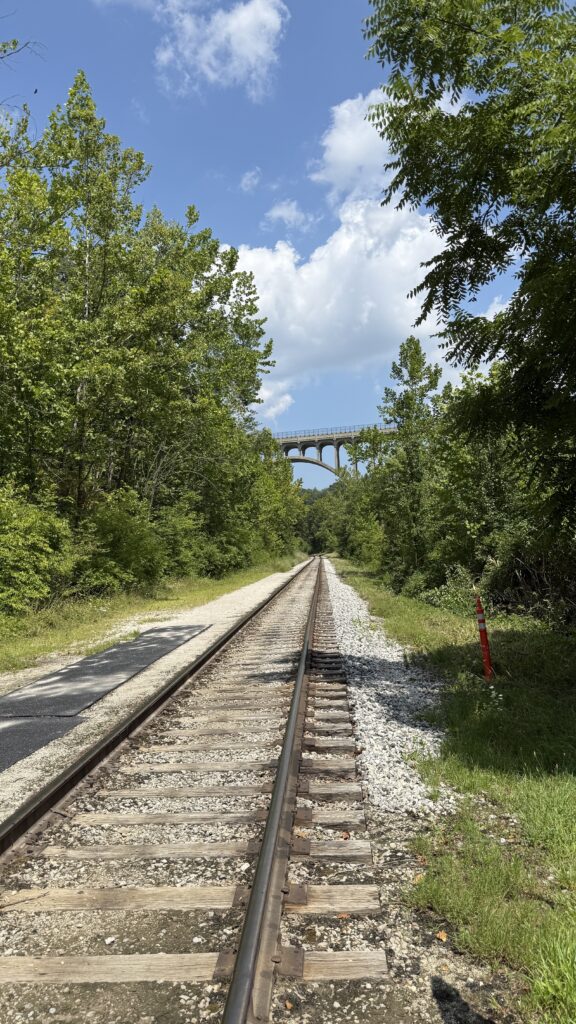
Of course, we couldn’t resist the allure of the Erie Canal Towpath. Echoes of history lace this path, where mules once pulled canal boats, the Underground Railroad was actively present, and the shadows seem to hold a thousand secrets. It was the perfect atmosphere for a little playtime.

Eerie Canal, rushing water in front of the Canal Exploration Center.
Canal Stop and Tavern (Currently the Canal Exploration Center)

Hi, I’m Blossom. During the canal days, mules like me walked the towpath, pulling heavy boats behind us. We were strong engines, able to haul 60 tons or more of freight. Mules worked in teams of two or three. Cargo boats had a middle cabin to stable a second team The two teams switched every six hours.

Some people say mules are stubborn, but I think we’re just smart. Horses can work themselves to an early grave. Mules have sense enough to stop when we’re tired. And we refuse to do anything dangerous. Over time, horses will get mouth and harness sores. Not mules. We are also cheaper to feed. Now I’m not saying horses are all bad. They are faster than mules. Early passenger boats used teams of horses when speed was more important than endurance. After the Civil War, canal boats became family businesses. One of the captain’s children was often the muleskinner, leading the team along the towpath.

I got my intelligence from my father. He’s a donkey. I got my athletic ability from my mother. She’s a horse. What is the best trait that you inherited from each parent?

Mule Power: Towing Canal Boats, from the placard at Cuyahoga Valley N.P.

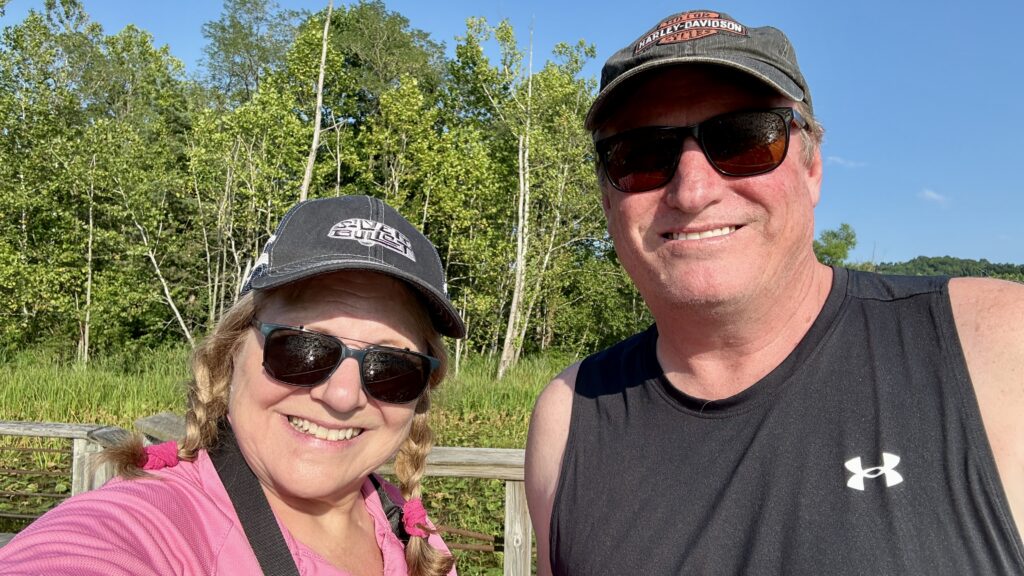
Tim whispered in my ear as the towpath curved between thick stands of trees, their branches creaking in the gentle breeze. The path met the boardwalk into Beaver’s Marsh where wood ducks greeted us. He grinned while squeezing my hand. Even if you don’t get to see what you had hoped for (in this case, beavers), there’s something thrilling about embracing the unknown.

Cancer brings its own shadows—uncertainty, fear, the uninvited “what ifs.” Yet I’ve learned that through faith, even the darkest paths can glow with hope. Jesus walks with us, turning every challenge into an opportunity for courage, laughter, and connection.

Abundance in Every Step

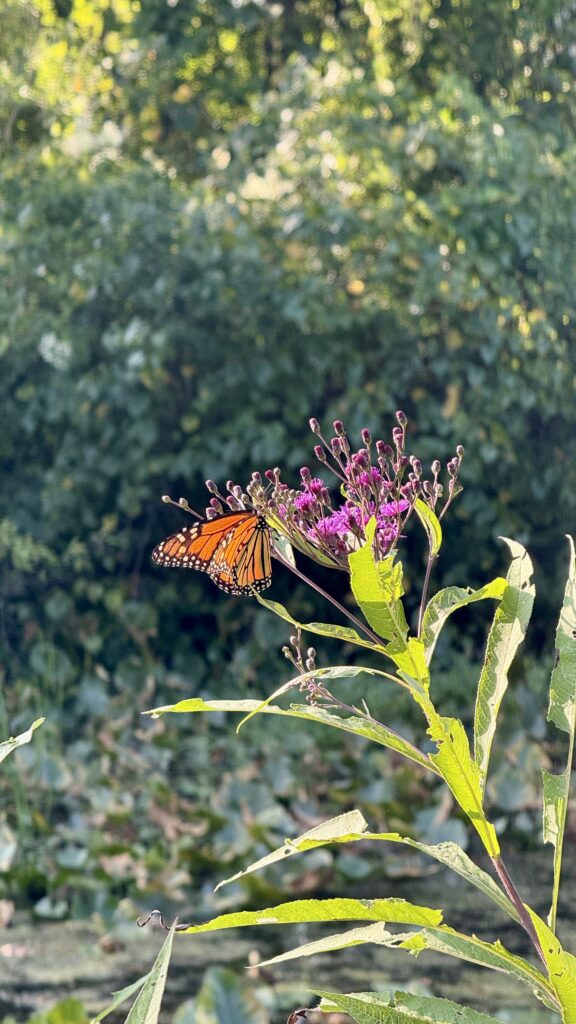
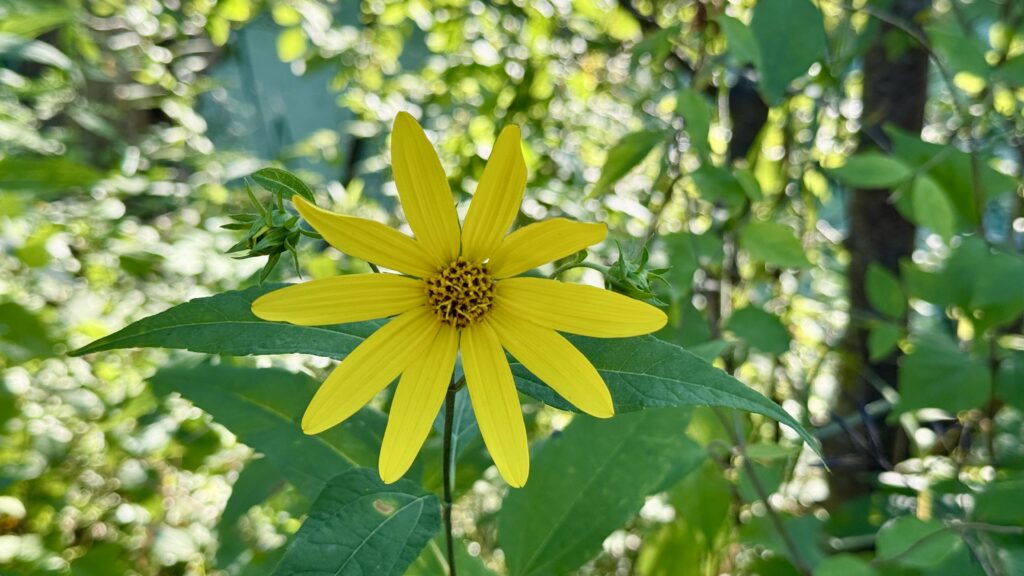
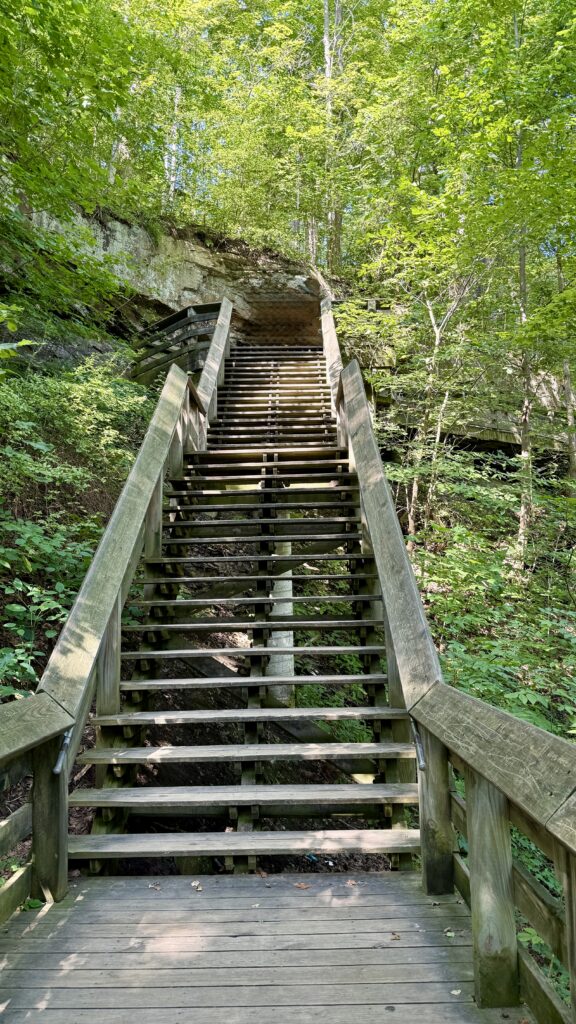
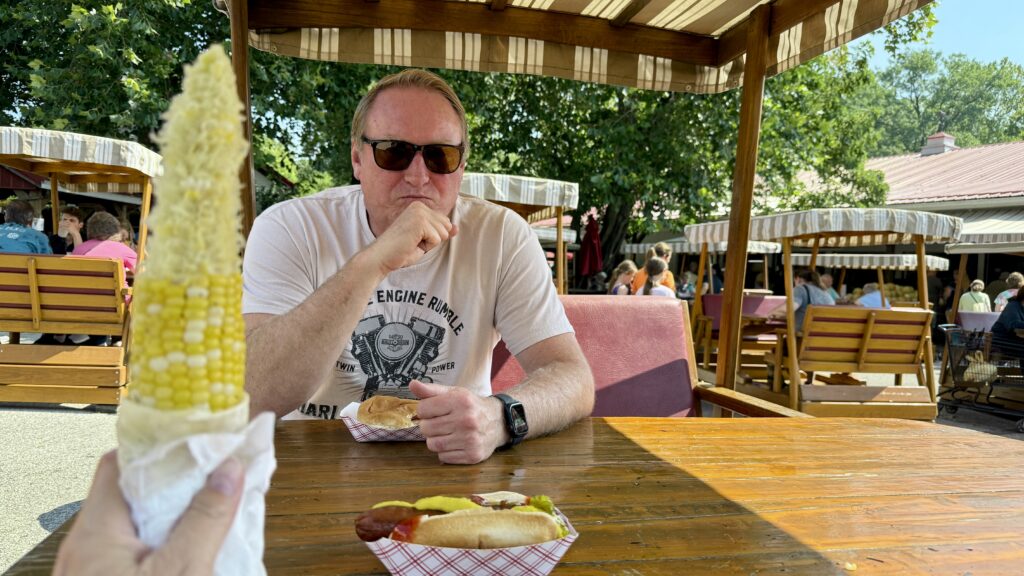
The most beautiful part of our day wasn’t just the scenery, but the sense of freedom and joy. We climbed stairs, walked through a covered bridge, witnessed butterflies and colorful flowers, ate farm fresh corn while swinging on the double swings, swapped silly jokes, and learned that adventure is less about where you go and more about who walks beside you. Whether you have a caring partner on earth or not, Jesus is there each step of the way.

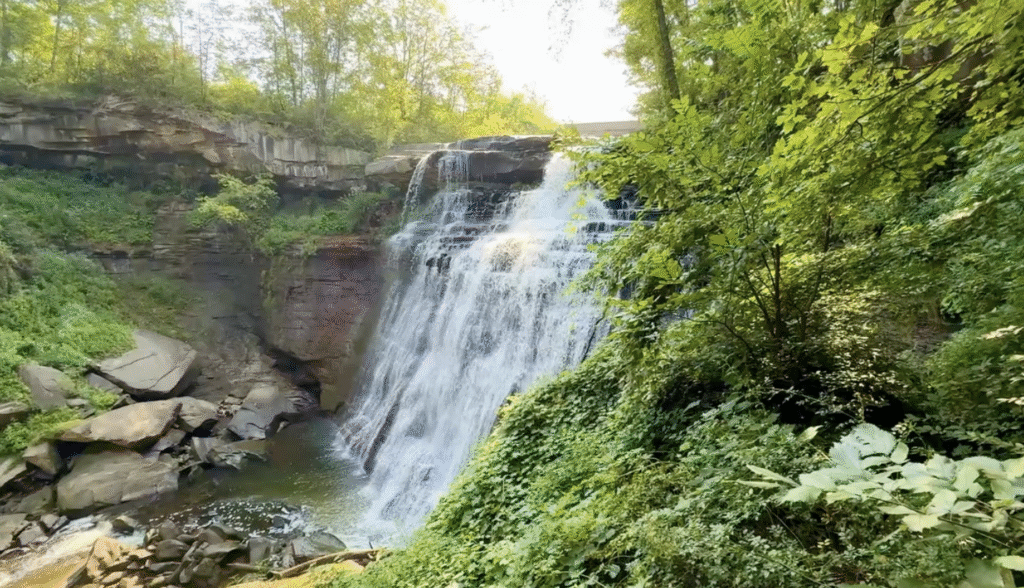
I want to say this, to anyone facing a difficult diagnosis or season: abundant life is possible—yes, even now. Through my journey with metastatic breast cancer, I’ve discovered that life with Jesus is not about scarcity, but overflow. He gives peace that surpasses understanding, and joy that bubbles up in the least-expected places—like a trail at sunset, a beautiful waterfall, or a quiet moment on the towpath with someone you love.

Brandywine Falls

Come, Take the Next Step

If you’re ever near Cuyahoga Valley National Park, I encourage you to lace up your boots, grab a loved one, and walk the Ledges Trail. Let the stones steady you, the trees shelter you, and the adventure—yes, even the eerie ones—remind you that life is still here for the living.

Because abundance isn’t measured by days, but by the love, faith, and wonder we choose. Through Jesus Christ, I am learning to live—truly, joyfully, abundantly—one trail at a time.


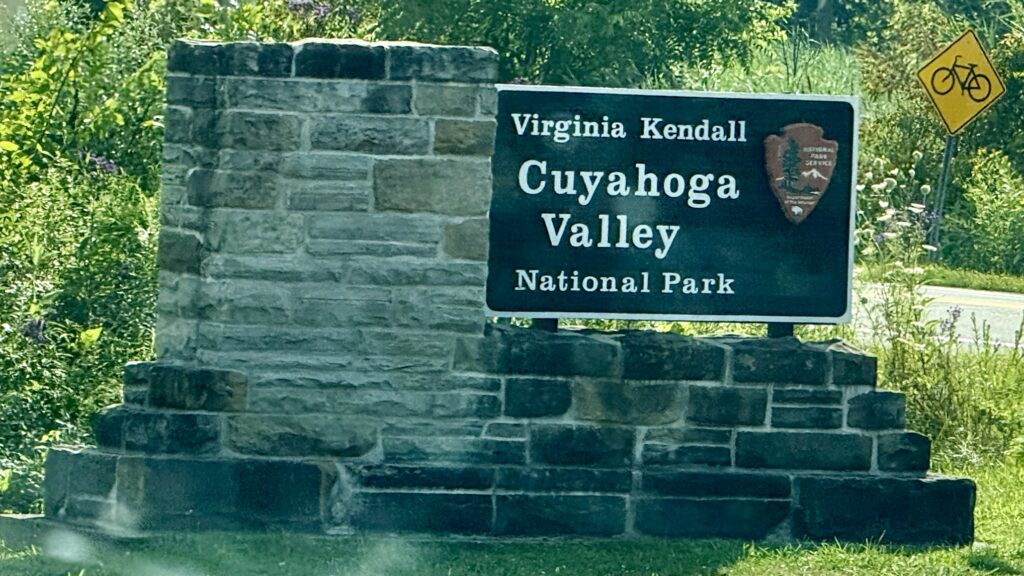
We added another stamp to our Passport on this trip, and checked off our 18th National Park.

Pro tip: The America the Beautiful Access Pass is free for anyone who has a disability (terminal cancer is a disability, even if you don’t “feel” disabled). It provides free entry to all National Parks and Historic Sites for the pass holder and family who travel with them. It’s a great way to live life without the added pressure of the financial burden of entrance fees. Check it out!

Just One More Thing

Having terminal cancer is a different experience for everyone, and I do hope this blog is accepted as it is intended. Not everyone can do the things we can do. I get that. Depending on where you are with your diagnosis and whether you are the patient or the caregiver, you will make those determinations. Given the thousands of types and subtypes, cancer treatment is challenging. Sometimes it works, and sometimes it doesn’t. I am fortunate to have cancer treatment that works!

I don’t say this lightly, as not everyone is as fortunate to add years to their life. My mother was in a Hospice House for two weeks at the end of her life. This disease does take people’s lives. Yet even there, in her setting, we enjoyed the beautiful gardens outside her window together. She also enjoyed life with what energy she had as they brought in therapy dogs, listened to people read Scripture, held hands and even encouraged people who came to visit. She taught me how to live life abundantly now as well as when we transition to our eternal Home. That is why I say, as long as I have breath, I intend to live!

Ask God to give you energy. He will provide strength to walk, even if it is just a few steps to your backyard.


À la prochaine…hasta la próxima vez…until next time!